


Lifecycle Costing in Asset Management
Lifecycle costing is a critical aspect of asset management that involves the systematic consideration of all costs associated with an asset over its entire life cycle. It helps organizations make informed decisions regarding the acquisition, operation, maintenance, and disposal of assets. By analyzing and comparing the costs and benefits throughout the asset’s life, organizations can optimize their asset management strategies and achieve better long-term financial
Read More
Implementing Artificial Intelligence (AI) in the Facilities Management industry.
Implementing Artificial Intelligence (AI) in the Facilities Management industry can bring numerous benefits, including increased efficiency, cost savings, predictive maintenance, and improved customer experiences. Here are the steps to effectively implement AI in Facilities Management: Define Objectives and Use Cases: Start by clearly defining your organization’s objectives and the specific areas where AI can make a significant impact. Common AI use cases in Facilities Management
Read More
IoT (Internet of Things) in Energy Management
IoT (Internet of Things) plays a significant role in revolutionizing energy management by enhancing efficiency, reducing waste, and optimizing energy consumption. The integration of IoT devices and sensors into energy management systems enables real-time monitoring, control, and data analysis, leading to more informed decision-making and resource optimization. Here are some key ways IoT is applied in energy management: Smart Grids: IoT enables the creation of
Read More
Sustainable Waste Management and Recycling Practices: A Comprehensive Approach for a Greener Future
Introduction Waste management and recycling are critical components of building a sustainable and eco-friendly society. As the world grapples with the challenges of increasing population, urbanization, and consumerism, the effective management of waste becomes paramount to reduce environmental impact, conserve natural resources, and combat climate change. This article delves into the intricacies of waste management and recycling practices, highlighting their significance, challenges, and innovative solutions
Read More
Effective management of capital expenditures (CAPEX) and operational expenditures (OPEX) in a facilities management contract
Effective management of capital expenditures (CAPEX) and operational expenditures (OPEX) in a facilities management contract is crucial for optimizing the performance and cost-effectiveness of the facility. Here are some strategies to ensure efficient handling of both CAPEX and OPEX: Comprehensive Asset Management Plan: Develop a detailed asset management plan that outlines the lifecycle of each asset within the facility. This plan should include regular maintenance
Read More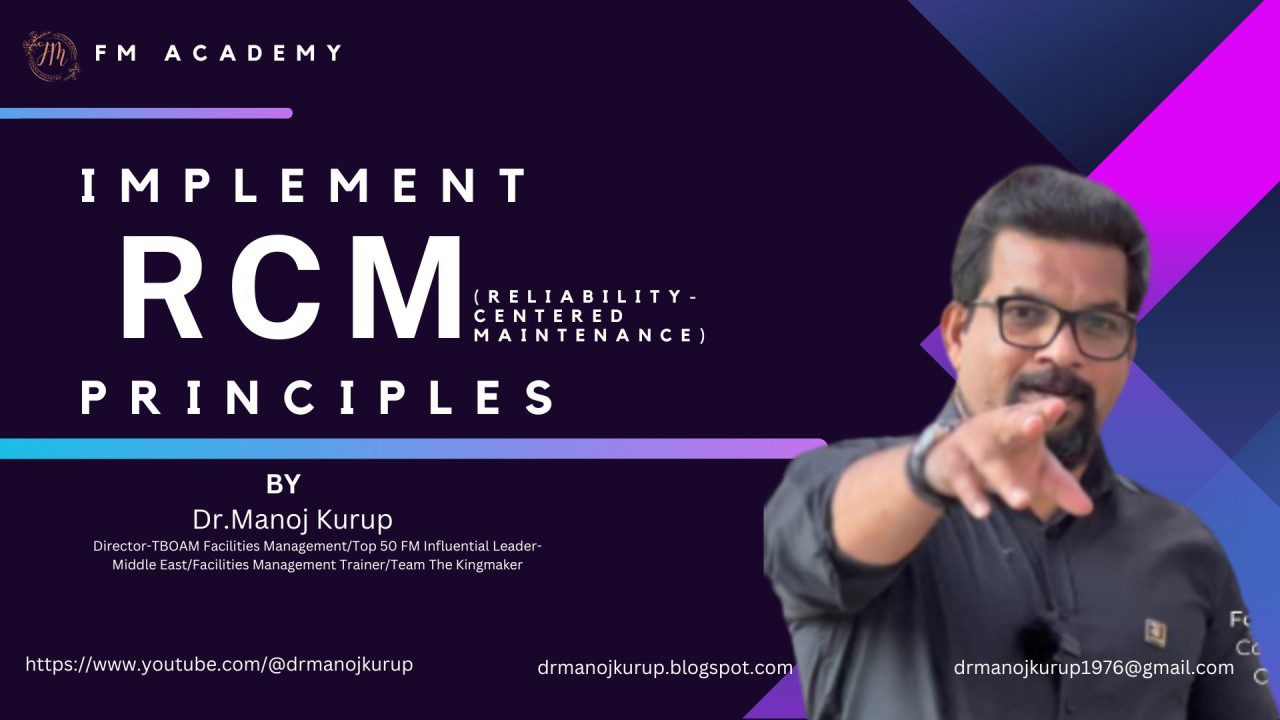
Implement RCM principles to identify failure modes, consequences, and appropriate maintenance tasks
Reliability-Centered Maintenance (RCM) is a systematic approach used to identify failure modes, consequences of failure, and appropriate maintenance tasks for different systems or assets. RCM aims to optimize maintenance efforts by focusing on critical components and mitigating potential failures that could lead to significant consequences. Here’s a step-by-step guide to implementing RCM principles: Select the system or asset: Identify the system or asset that requires
Read More
The Role of AI in Supporting Facility Managers for Cost-Effective Facilities Management
As the world of facilities management evolves, the integration of Artificial Intelligence (AI) is becoming increasingly crucial. AI has the potential to revolutionize how facilities managers handle tasks, optimize operations, and make informed decisions. The future of facilities management, especially in terms of cost-effectiveness, is closely tied to the advancement and application of AI technologies. Let’s explore how AI will assist facility managers in managing
Read More
The Essential Financial Knowledge Every Facilities Manager Needs
Facilities managers may not require in-depth financial expertise, but a solid grasp of fundamental financial concepts can greatly enhance their efficiency and decision-making capabilities. Understanding how to read essential financial statements such as the balance sheet, income statement, and cash flow statement, as well as knowing how to prepare and manage budgets, is invaluable. By developing this foundational knowledge, facilities managers gain better insights into
Read More
Sensitivity Analysis and Scenario Analysis: Powerful Tools for Facilities Management (FM) Bidding Success
In the competitive realm of Facilities Management (FM), where contracts are often won or lost based on precise cost and risk assessments, the application of analytical tools like sensitivity and scenario analysis can dramatically elevate bidding success. These tools offer FM professionals a distinct advantage, allowing for more strategic bids that not only appeal to clients but also improve project feasibility and profitability. In this
Read More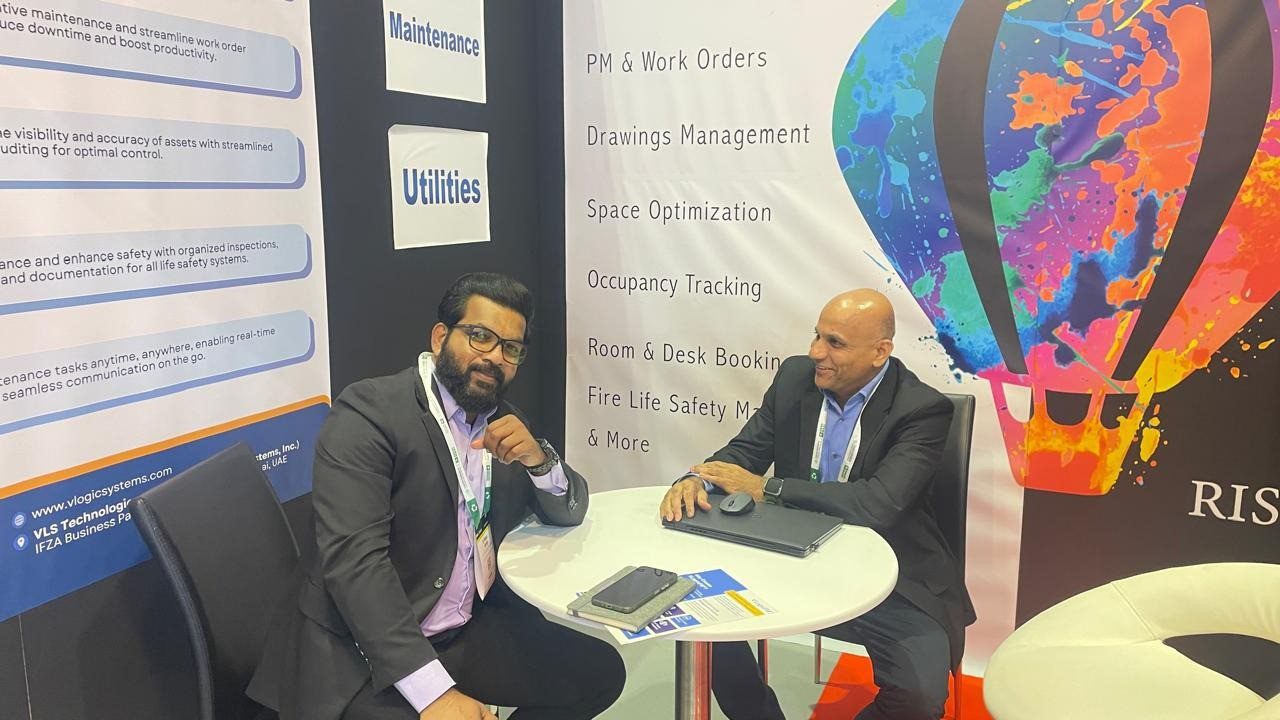
Why Industry Professionals Can’t Afford to Miss The Big 5 Events at Dubai World Trade Centre
The Big 5 events held at the Dubai World Trade Centre in the UAE are among the most important and highly anticipated gatherings for professionals in the construction, facilities management, and related industries. These events bring together thousands of industry experts, suppliers, innovators, and decision-makers from across the globe. For industry professionals, attending these events is more than just a networking opportunity; it is a
Read More
